
If you’re missing teeth and considering dentures, one of the most common questions seniors and implant candidates ask is: “Will dentures actually feel comfortable?”
The good news is—yes, modern dentures can be very comfortable when they are custom-made, properly fitted, and supported by today’s advanced dental technology. For patients in Los Angeles and Orange County, especially seniors looking to restore their smile, chewing ability, and confidence, today’s denture and implant options offer far more comfort and stability than ever before.
In this guide, you’ll learn:
- The different types of dentures available
- What makes dentures comfortable
- How dental implants dramatically improve denture stability
- What to expect during the adjustment period
- How to care for your dentures long-term
Types of Dentures Available in Los Angeles and Orange County
Choosing the right type of denture plays a major role in comfort, function, and confidence. Below are the most common options recommended for seniors and patients that are missing teeth.
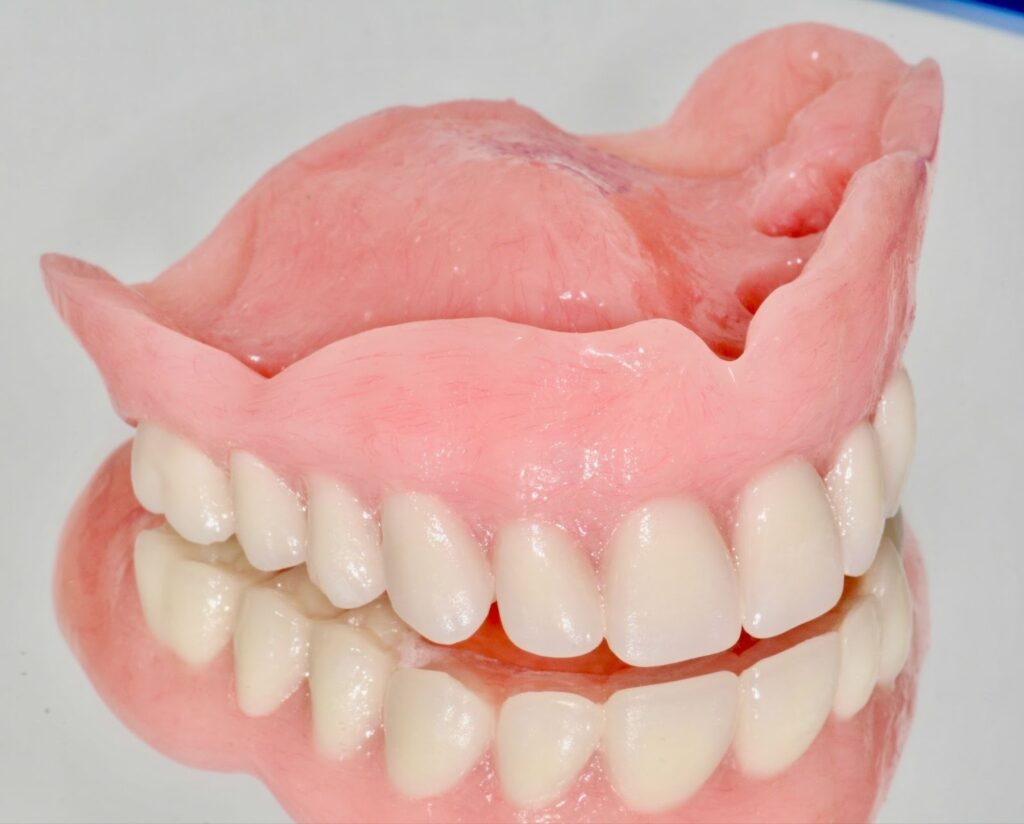
1. Complete Dentures
Complete dentures replace all teeth in the upper or lower jaw. These removable appliances rest on the gums and rely on suction and fit for stability.
Best for: Patients missing all teeth who want a less expensive, removable option.
Comfort level: Good with proper fit, but may feel less stable over time due to natural bone loss. Material: Acrylic Adhesive use: Sometimes required
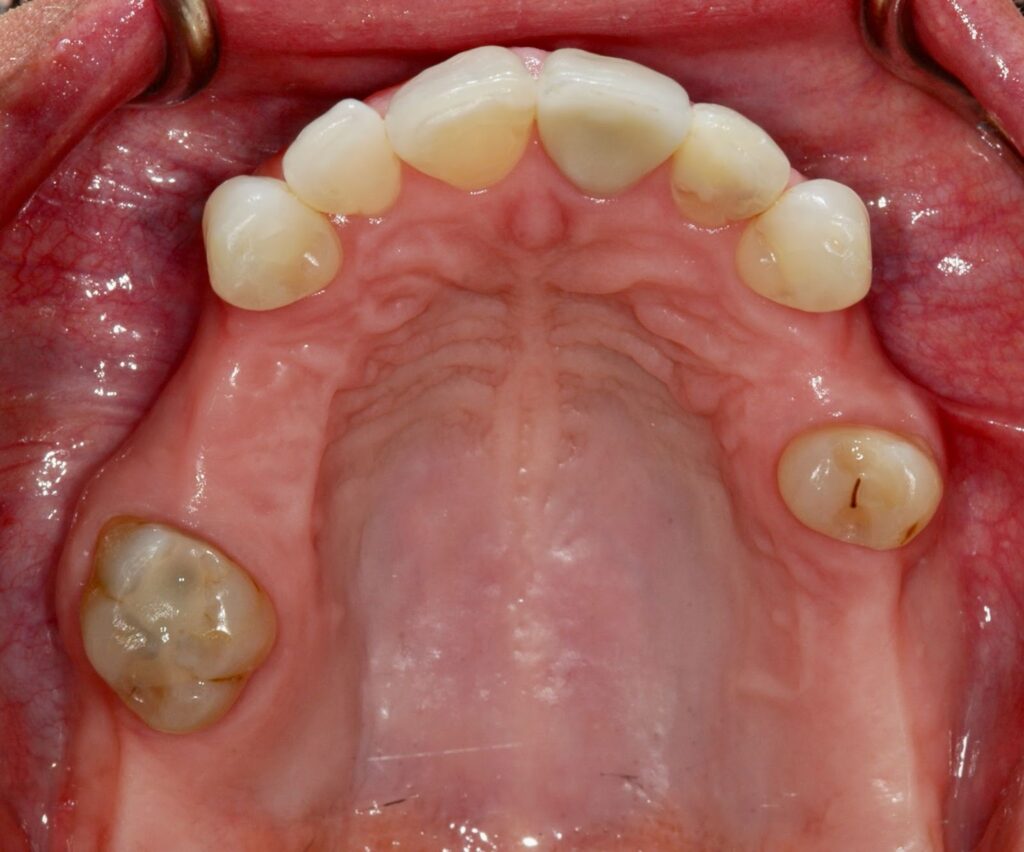
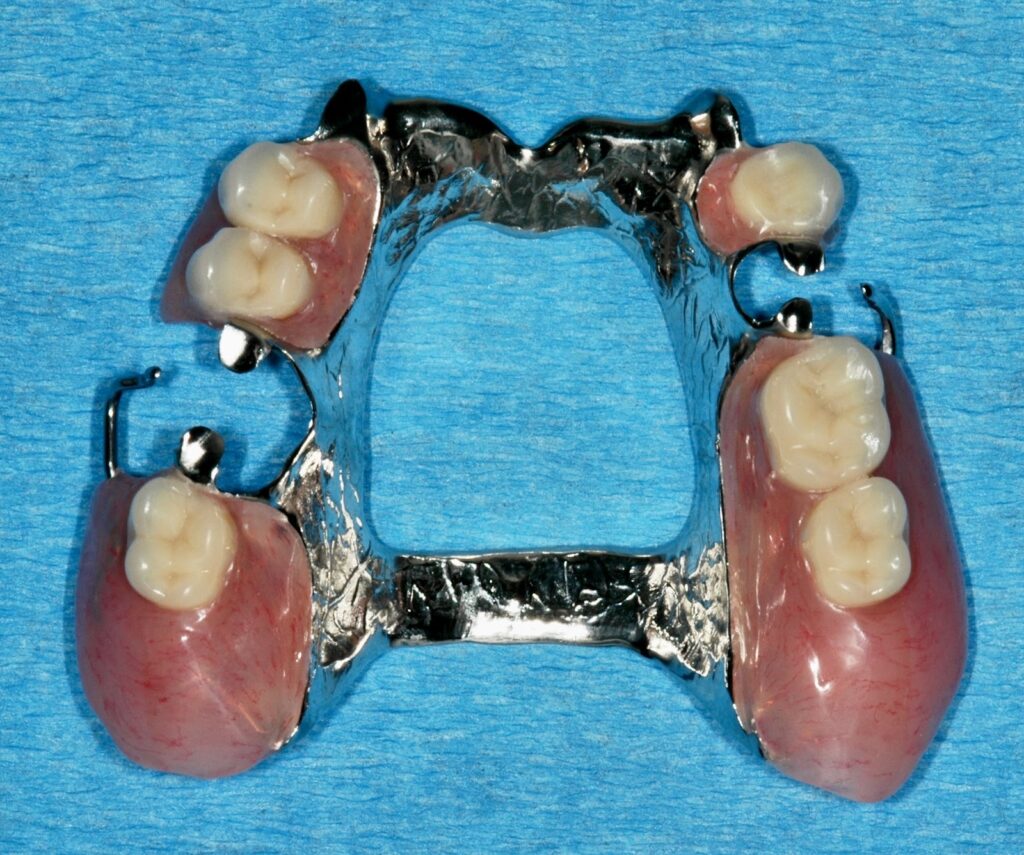
2. Removable Partial Dentures
Partial dentures replace several missing teeth and attach to the remaining natural teeth using clasps.
Best for: Patients who still have some healthy natural teeth.
Comfort level: Good when properly designed, though clasps may take time to get used to. Material: Metal framework with acrylic.
3. Implant-Retained Dentures
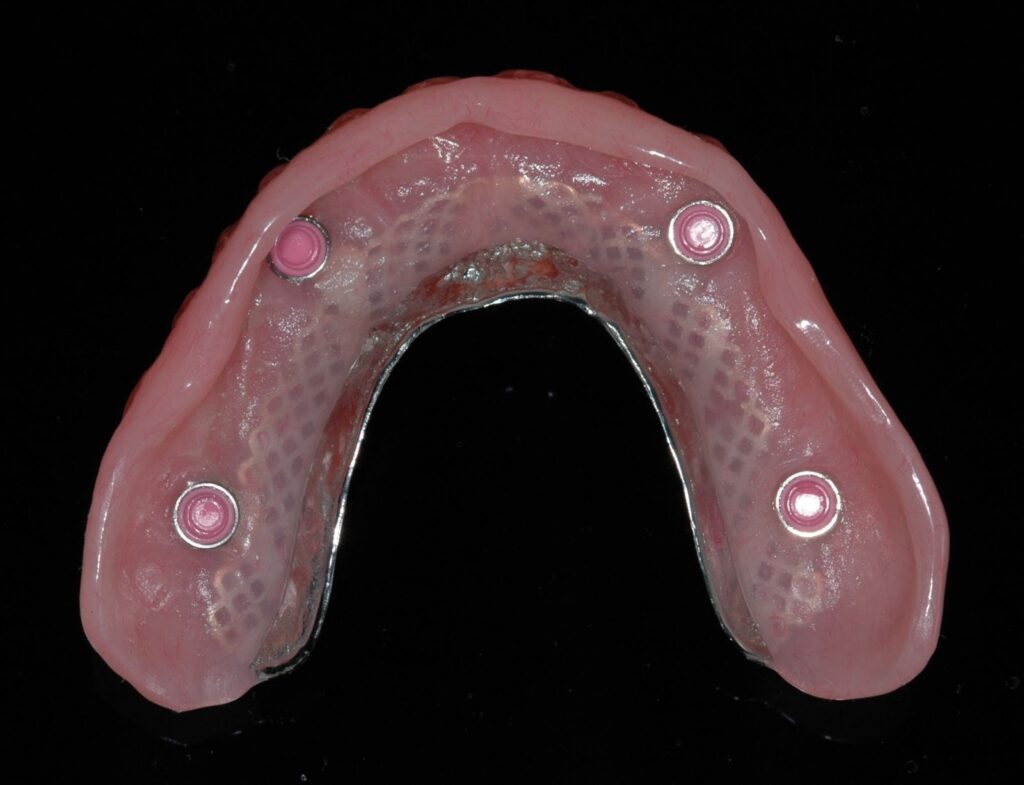
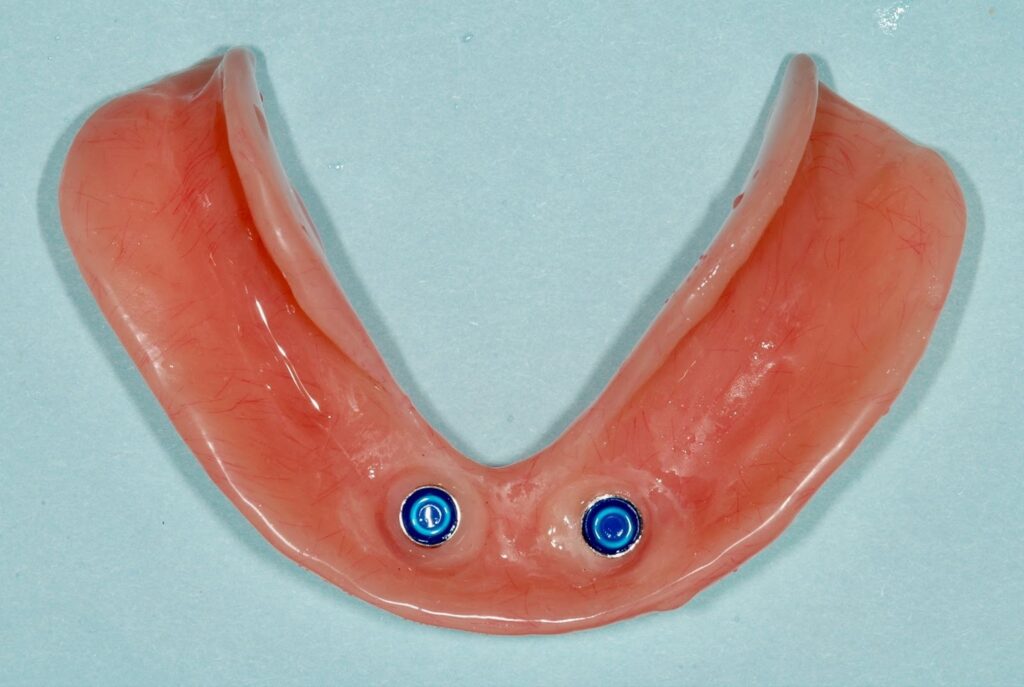
These dentures look similar to traditional removable dentures but are less bulky and snap onto dental implants for stability.
Best for: Patients who struggle with loose dentures.
Comfort level: Excellent – dramatically more stable than traditional dentures.
Material: Metal framework is hidden for strength and wrapped with acrylic.
Adhesive use: Not needed
As few as two implants in the lower jaw and four in the upper jaw can significantly improve comfort and chewing efficiency.
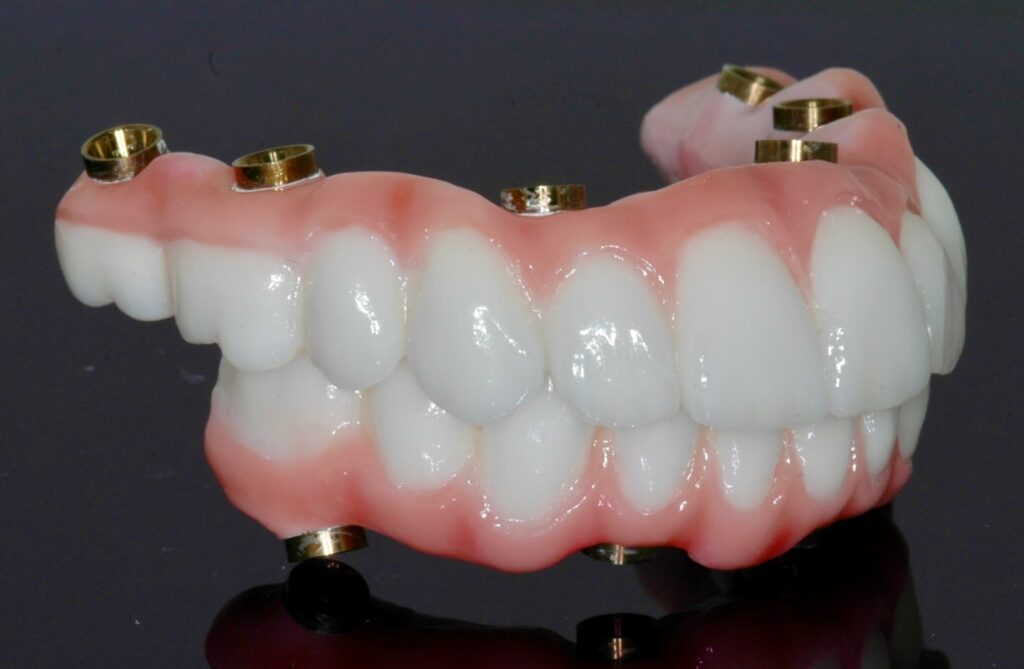
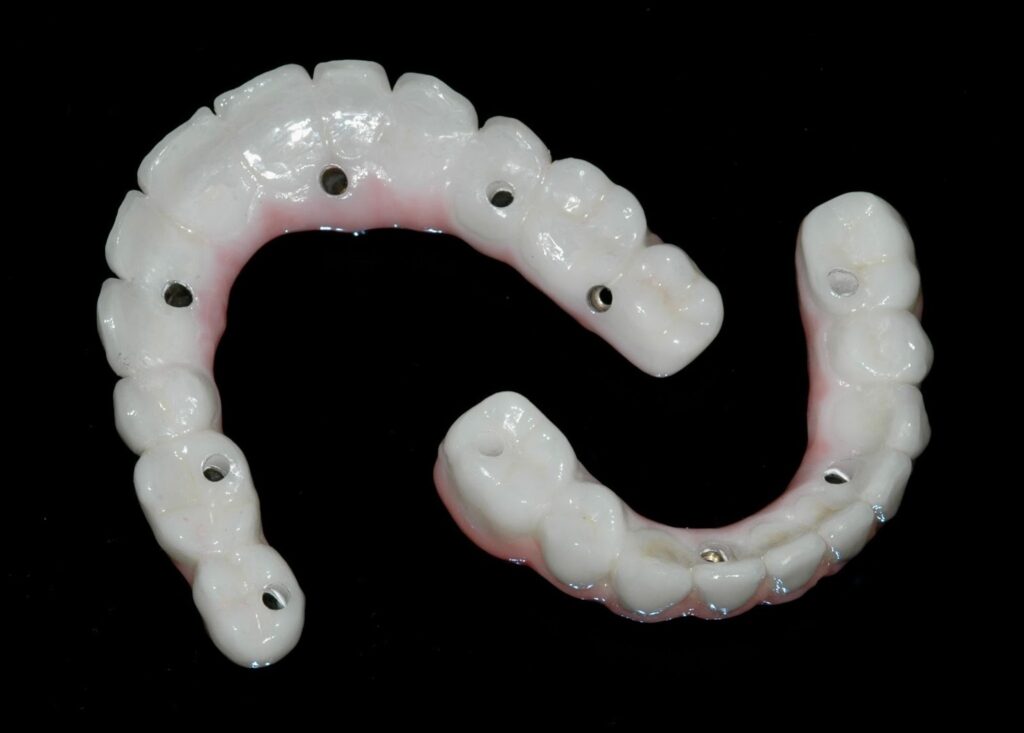
4. Implant-Supported Dentures (All-on-4 / All-on-X)
This is the most advanced tooth replacement solution available. A full arch of fixed teeth is supported by four or more implants and does not come out.
Best for: Patients who want permanent, natural-feeling teeth.
Comfort level: Highest – closest feel to natural teeth.
Material: Zirconia ceramic for strength and esthetics.
For many implant candidates, this option delivers the most life-changing results.
What Makes Dentures Comfortable?
Several key factors determine whether dentures feel comfortable or problematic.
1. Proper Fit
Complete denture comfort begins with precise custom impressions and detailed shaping of the denture borders to match the movement of your lips, cheeks, and tongue. This technique is called border molding and helps prevent soreness, rubbing, and looseness.
For partial dentures, proper planning and preparation of the supporting teeth ensures thinner appliances and more comfort for the tongue, cheeks and surrounding tissues.
2. Correct Bite Alignment (Occlusion)
Occlusion refers to how your upper and lower teeth come together when you bite. If the bite is uneven, dentures can rock, rub the gums, and cause sore spots. A balanced bite greatly increases comfort and chewing ability.
3. Dental Implant Support
For many patients, implants are the key to truly comfortable dentures. Implants:
- Prevent slipping
- Eliminate adhesive use
- Improve speech and chewing
- Slow down jawbone shrinkage
Lower dentures benefit the most from implant stabilization.
The Adjustment Period: What Patients Should Expect
When transitioning from natural teeth to dentures, an adjustment phase is completely normal and usually lasts a few weeks to a couple of months.
During this time, you may experience:
- Mild soreness or pressure spots
- A bulky sensation
- Increased saliva
- Temporary difficulty speaking
- Changes in chewing patterns
- Occasional gagging
Tips for a Smoother Transition
- Start with soft foods (eggs, yogurt, soups, cottage cheese)
- Practice speaking out loud daily
- Chew slowly using both sides
- Attend scheduled adjustment visits promptly
After extractions, your gums and bone continue healing for several months. Once fully healed, a final hard reline is performed to improve long-term comfort and fit.
Denture Care & Maintenance for Long-Term Comfort
Daily care is essential for both comfort and oral health.
1. Rinse after meals to remove food particles.
2. Brush daily using a soft denture brush with mild soap (no toothpaste).
3. Clean your gums and tongue with a damp cloth.
4. Soak dentures overnight in water or a denture cleanser.
5. Never use hot water, bleach, or abrasive cleaners.
6. Visit your dentist yearly for fit checks and relines.
Over time, jawbone changes can loosen dentures. Regular professional care prevents discomfort and instability.
Common Denture Problems & Solutions
Sore spots and irritation
Cause: Pressure or rubbing
Solution: Denture adjustment or reline
Loose dentures
Cause: Bone shrinkage over time
Solution: Reline, remake, or add dental implants
Difficulty chewing
Cause: New dentures or uneven bite
Solution: Bite adjustment and dietary adaptation or remake dentures
Difficulty speaking
Cause: Tongue adapting to new surfaces
Solution: Speech practice and possible adjustment
Gagging
Cause: Overextended denture base
Solution: Precision adjustment, add dental implants
Unnatural appearance
Cause: Poor tooth or gum contouring
Solution: Remake and custom esthetic design
Sunken facial appearance
Cause: Bone loss without teeth
Solution: New dentures, add dental implants
Are Implant Dentures Worth It for Seniors in Los Angeles and Orange County?
For many seniors, implant-supported dentures are absolutely worth it because they:
- Dramatically improve stability
- Eliminate embarrassment from slipping
- Make eating easier and healthier
- Improve facial support and appearance
- Enhance overall quality of life
For patients seeking the most natural look and feel, All-on-4 or All-on-X solutions provide a permanent, fixed alternative to removable dentures.
Frequently Asked Questions
How long does it take to get used to dentures?
Most patients adjust within a few weeks to a couple of months.
Can dentures be worn at night?
It is recommended to remove dentures at night to allow gums to rest and recover from daily use.
Are implant dentures permanent?
Implant-supported bridges are fixed, while implant-retained dentures are removable but extremely stable.
Do dentures hurt?
Properly fitted dentures should not cause ongoing pain. Temporary soreness during adjustment is normal and treatable.
How much do dentures cost in Los Angeles and Orange County?
Costs vary based on materials, design, and whether implants are used. A consultation is required for accurate pricing.
Comfortable Dentures & Implants in Los Angeles
At Downtown Los Angeles and Laguna Niguel locations, patients receive advanced prosthodontic care focused on comfort, esthetics, and long-term oral health.
Led by Dr. Adam Geach, a board-certified prosthodontist with advanced training in dentures, implants, and full-arch restorations, the practice specializes in helping seniors and implant candidates restore their smiles with confidence.
Schedule a Denture or Implant Consultation in Los Angeles or Orange County
If you are struggling with loose, uncomfortable dentures—or are considering implants for a more permanent solution—a personalized consultation is the first step toward a more confident, comfortable smile.
📞 Call (213) 622-3339 to schedule your consultation today.
You deserve dentures that feel secure, natural, and comfortable every day.