
Geach Dental

Are Dentures Comfortable? A Prosthodontist’s Guide for Seniors & Implant Patients in Los Angeles and Orange County

Are Dentures Comfortable? A Prosthodontist’s Guide for Seniors & Implant Patients in Los Angeles and Orange County

If you’re missing teeth and considering dentures, one of the most common questions seniors and implant candidates ask is: “Will dentures actually feel comfortable?”

The good news is—yes, modern dentures can be very comfortable when they are custom-made, properly fitted, and supported by today’s advanced dental technology. For patients in Los Angeles and Orange County, especially seniors looking to restore their smile, chewing ability, and confidence, today’s denture and implant options offer far more comfort and stability than ever before.

In this guide, you’ll learn:

  • The different types of dentures available
  • What makes dentures comfortable
  • How dental implants dramatically improve denture stability
  • What to expect during the adjustment period
  • How to care for your dentures long-term

Types of Dentures Available in Los Angeles and Orange County

Choosing the right type of denture plays a major role in comfort, function, and confidence. Below are the most common options recommended for seniors and patients that are missing teeth. 

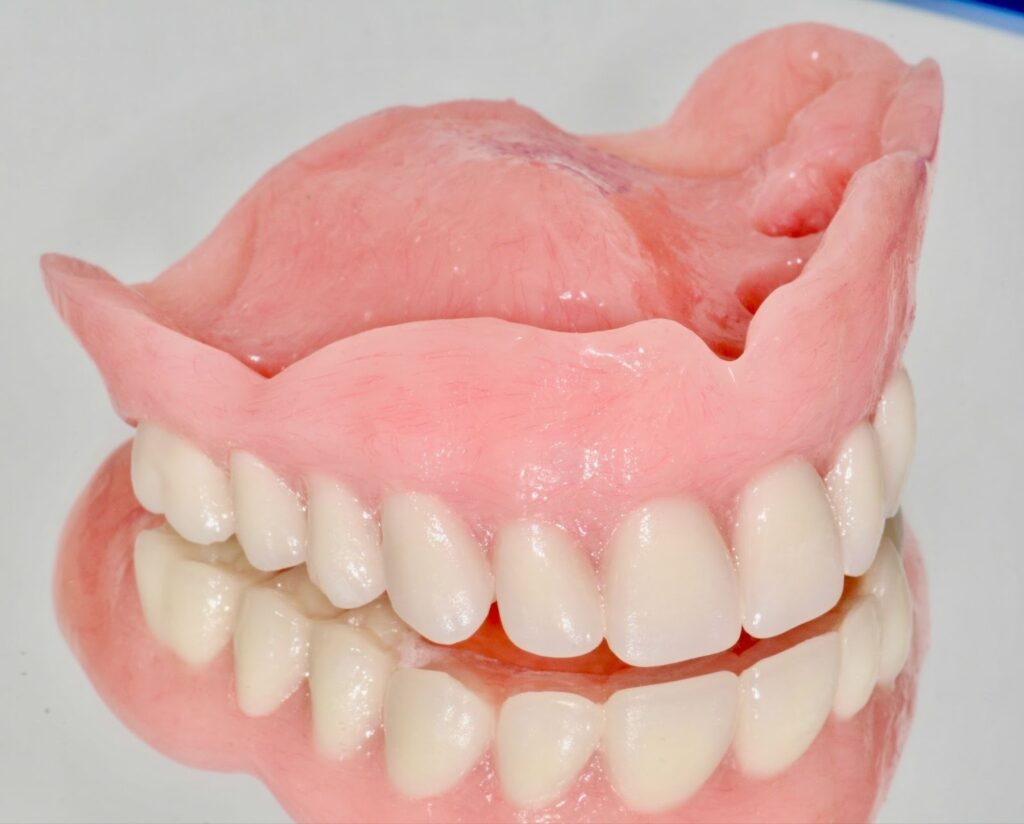
1. Complete Dentures

Complete dentures replace all teeth in the upper or lower jaw. These removable appliances rest on the gums and rely on suction and fit for stability.

Best for: Patients missing all teeth who want a less expensive, removable option.
Comfort level: Good with proper fit, but may feel less stable over time due to natural bone loss. Material: Acrylic                                                                                                                    Adhesive use: Sometimes required
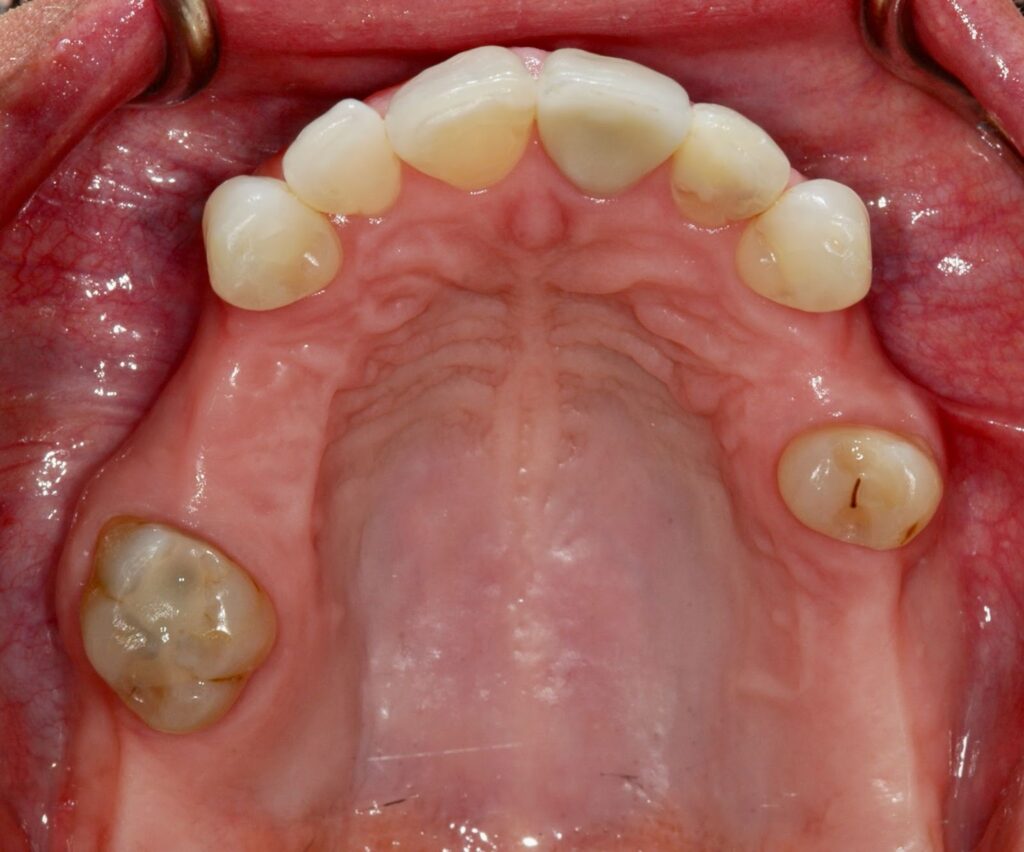
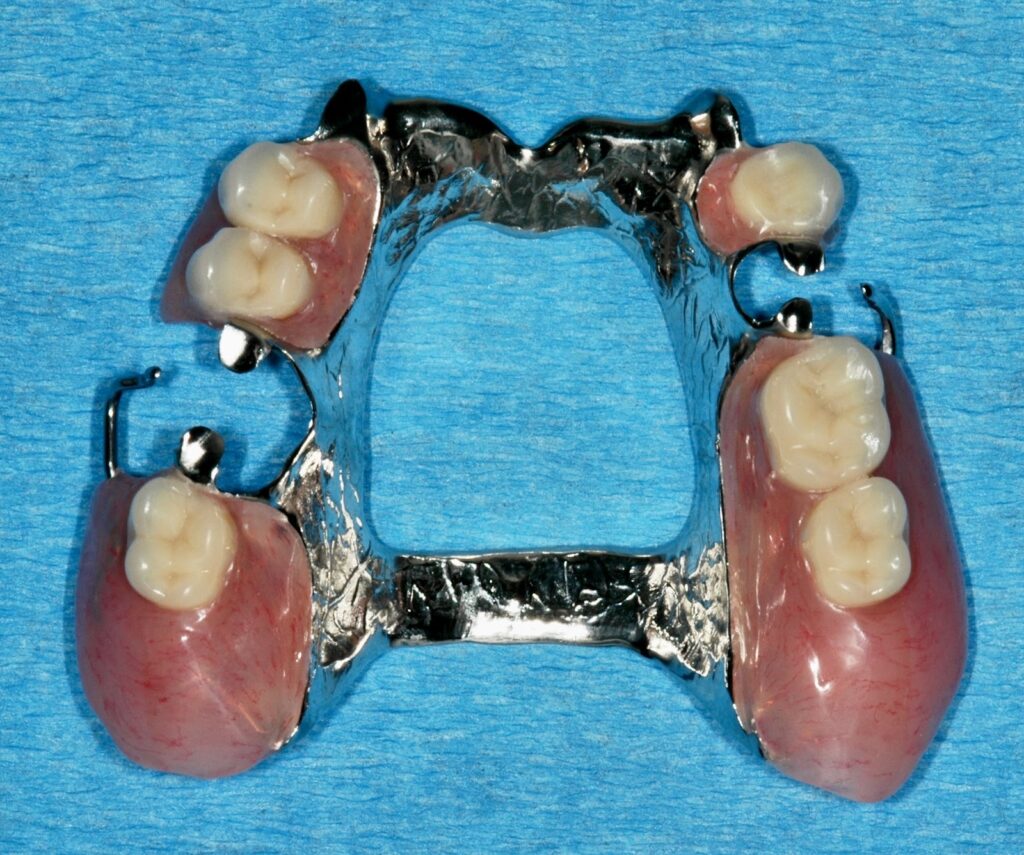
2. Removable Partial Dentures

Partial dentures replace several missing teeth and attach to the remaining natural teeth using clasps.

Best for: Patients who still have some healthy natural teeth.
Comfort level: Good when properly designed, though clasps may take time to get used to. Material: Metal framework with acrylic.
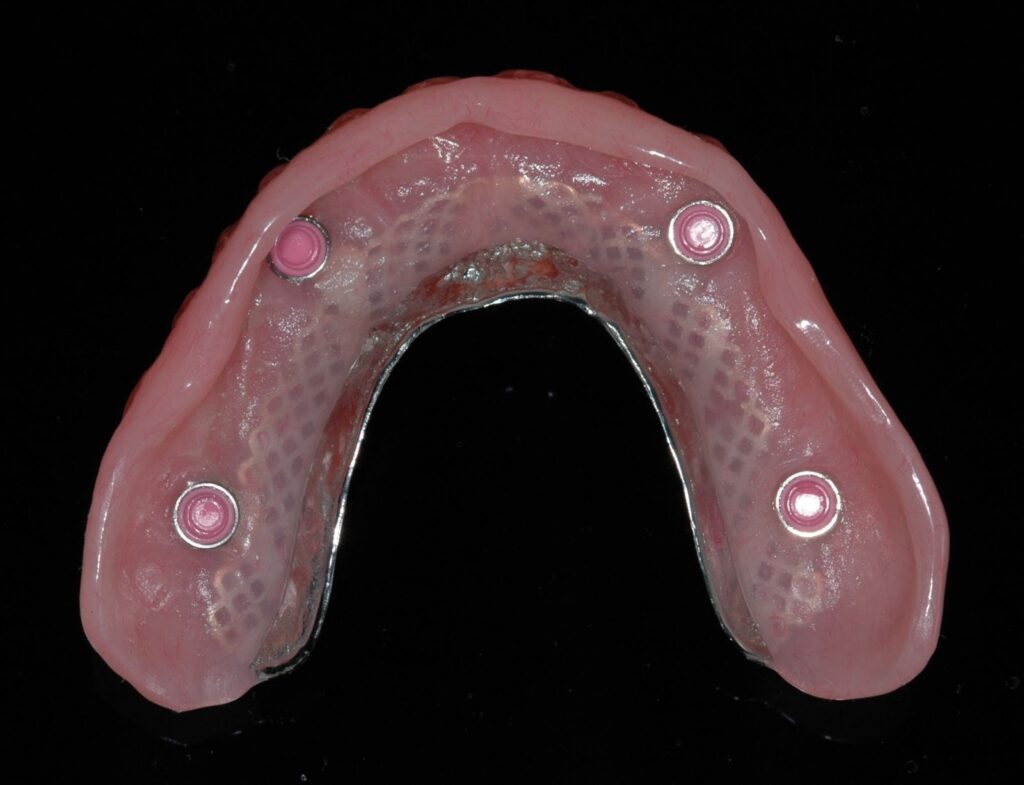
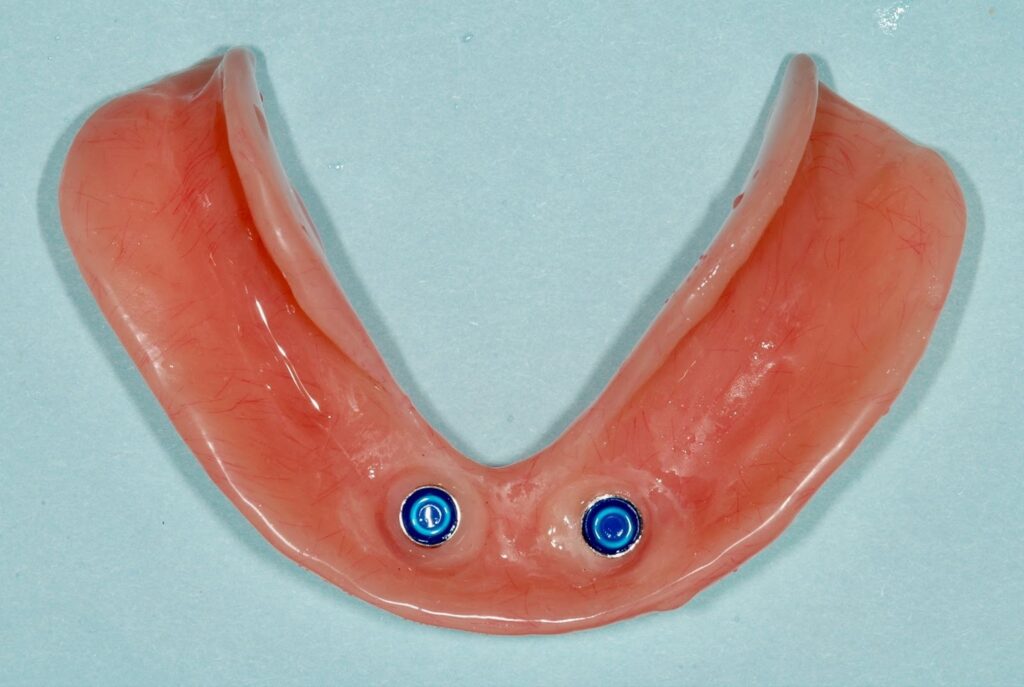
3. Implant-Retained Dentures

These dentures look similar to traditional removable dentures but are less bulky and snap onto dental implants for stability.

Best for: Patients who struggle with loose dentures.
Comfort level: Excellent – dramatically more stable than traditional dentures.                   

Material: Metal framework is hidden for strength and wrapped with acrylic.                                                            
Adhesive use: Not needed

As few as two implants in the lower jaw and four in the upper jaw can significantly improve comfort and chewing efficiency.
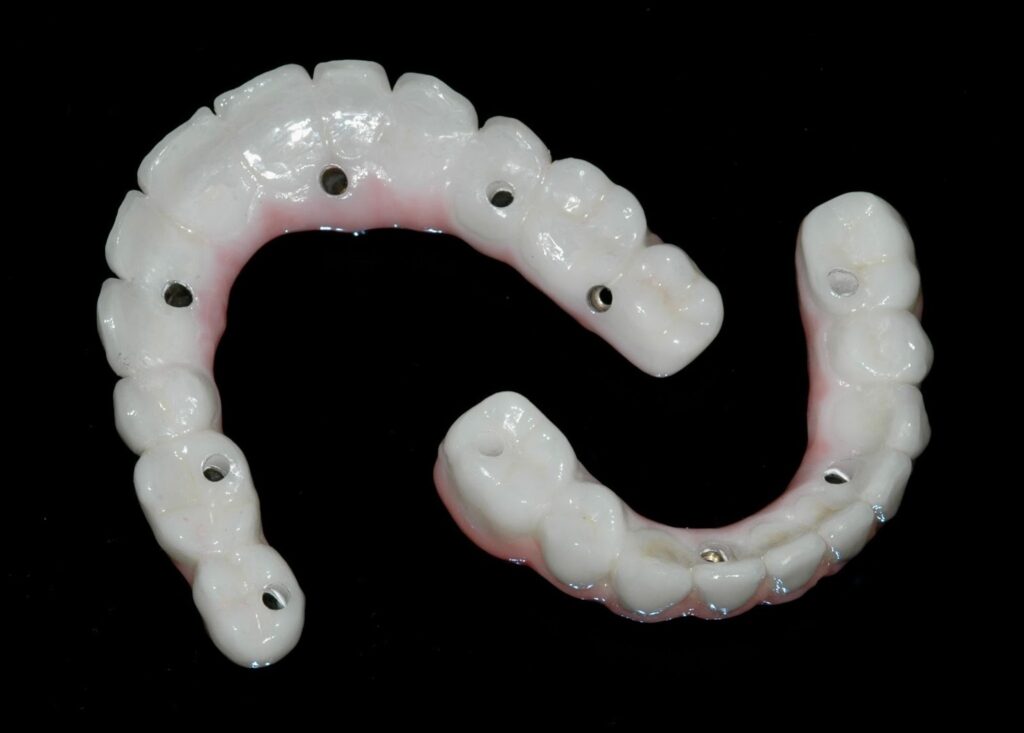
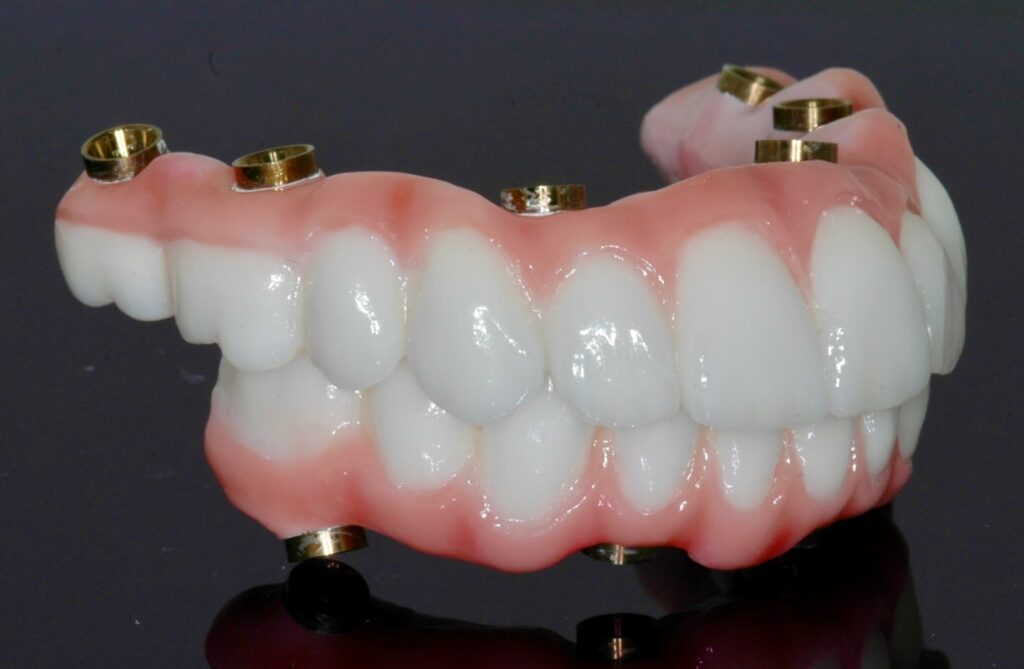
4. Implant-Supported Dentures (All-on-4 / All-on-X)

This is the most advanced tooth replacement solution available. A full arch of fixed teeth is supported by four or more implants and does not come out.

Best for: Patients who want permanent, natural-feeling teeth.
Comfort level: Highest – closest feel to natural teeth.
Material: Zirconia ceramic for strength and esthetics.

For many implant candidates, this option delivers the most life-changing results.
What Makes Dentures Comfortable?

Several key factors determine whether dentures feel comfortable or problematic.

1. Proper Fit

Complete denture comfort begins with precise custom impressions and detailed shaping of the denture borders to match the movement of your lips, cheeks, and tongue. This technique is called border molding and helps prevent soreness, rubbing, and looseness.

For partial dentures, proper planning and preparation of the supporting teeth ensures thinner appliances and more comfort for the tongue, cheeks and surrounding tissues.

2. Correct Bite Alignment (Occlusion)

Occlusion refers to how your upper and lower teeth come together when you bite. If the bite is uneven, dentures can rock, rub the gums, and cause sore spots. A balanced bite greatly increases comfort and chewing ability.

3. Dental Implant Support

For many patients, implants are the key to truly comfortable dentures. Implants:

  • Prevent slipping
  • Eliminate adhesive use
  • Improve speech and chewing
  • Slow down jawbone shrinkage

Lower dentures benefit the most from implant stabilization.

The Adjustment Period: What Patients Should Expect

When transitioning from natural teeth to dentures, an adjustment phase is completely normal and usually lasts a few weeks to a couple of months.

During this time, you may experience:

  • Mild soreness or pressure spots
  • A bulky sensation
  • Increased saliva
  • Temporary difficulty speaking
  • Changes in chewing patterns
  • Occasional gagging

Tips for a Smoother Transition

  • Start with soft foods (eggs, yogurt, soups, cottage cheese)
  • Practice speaking out loud daily
  • Chew slowly using both sides
  • Attend scheduled adjustment visits promptly

After extractions, your gums and bone continue healing for several months. Once fully healed, a final hard reline is performed to improve long-term comfort and fit.

Denture Care & Maintenance for Long-Term Comfort

Daily care is essential for both comfort and oral health.

 1. Rinse after meals to remove food particles.
2. Brush daily using a soft denture brush with mild soap (no toothpaste).
3. Clean your gums and tongue with a damp cloth.
4. Soak dentures overnight in water or a denture cleanser.
5. Never use hot water, bleach, or abrasive cleaners.
6. Visit your dentist yearly for fit checks and relines.

Over time, jawbone changes can loosen dentures. Regular professional care prevents discomfort and instability.

Common Denture Problems & Solutions

Sore spots and irritation
Cause: Pressure or rubbing 
Solution: Denture adjustment or reline

Loose dentures
Cause: Bone shrinkage over time
Solution: Reline, remake, or add dental implants

Difficulty chewing
Cause: New dentures or uneven bite
Solution: Bite adjustment and dietary adaptation or remake dentures

Difficulty speaking
Cause: Tongue adapting to new surfaces
Solution: Speech practice and possible adjustment

Gagging
Cause: Overextended denture base
Solution: Precision adjustment, add dental implants

Unnatural appearance
Cause: Poor tooth or gum contouring
Solution: Remake and custom esthetic design

Sunken facial appearance
Cause: Bone loss without teeth
Solution: New dentures, add dental implants

Are Implant Dentures Worth It for Seniors in Los Angeles and Orange County?

For many seniors, implant-supported dentures are absolutely worth it because they:

  • Dramatically improve stability
  • Eliminate embarrassment from slipping
  • Make eating easier and healthier
  • Improve facial support and appearance
  • Enhance overall quality of life

For patients seeking the most natural look and feel, All-on-4 or All-on-X solutions provide a permanent, fixed alternative to removable dentures.

Frequently Asked Questions

How long does it take to get used to dentures?
Most patients adjust within a few weeks to a couple of months.

Can dentures be worn at night?
It is recommended to remove dentures at night to allow gums to rest and recover from daily use. 

Are implant dentures permanent?
Implant-supported bridges are fixed, while implant-retained dentures are removable but extremely stable.

Do dentures hurt?
Properly fitted dentures should not cause ongoing pain. Temporary soreness during adjustment is normal and treatable.

How much do dentures cost in Los Angeles and Orange County?
Costs vary based on materials, design, and whether implants are used. A consultation is required for accurate pricing.

Comfortable Dentures & Implants in Los Angeles

At Downtown Los Angeles and Laguna Niguel locations, patients receive advanced prosthodontic care focused on comfort, esthetics, and long-term oral health.

Led by Dr. Adam Geach, a board-certified prosthodontist with advanced training in dentures, implants, and full-arch restorations, the practice specializes in helping seniors and implant candidates restore their smiles with confidence.

Schedule a Denture or Implant Consultation in Los Angeles or Orange County

If you are struggling with loose, uncomfortable dentures—or are considering implants for a more permanent solution—a personalized consultation is the first step toward a more confident, comfortable smile.

📞 Call (213) 622-3339 to schedule your consultation today.

You deserve dentures that feel secure, natural, and comfortable every day.
Search for Blog Articles

Pinteresting Board
Share

Meet Dr. Adam Geach, distinguished prosthodontics specialist and owner of  Geach Dental. 

His dental education includes Harvard School of Dental Medicine and the University of Connecticut, where he earned a D.M.D. and an M.D.Sc. in Prosthodontics, respectively. Dr. Geach holds Diplomate status with the American Board of Prosthodontics, underscoring his exceptional expertise in dental care. At his clinics in Los Angeles and Laguna Niguel, Dr. Geach offers a wide range of services, from cosmetic treatments to full-mouth reconstructions, all delivered with a focus on personalized patient care.Take the first step toward your ideal smile and improved oral health by clicking here.

Related blog posts

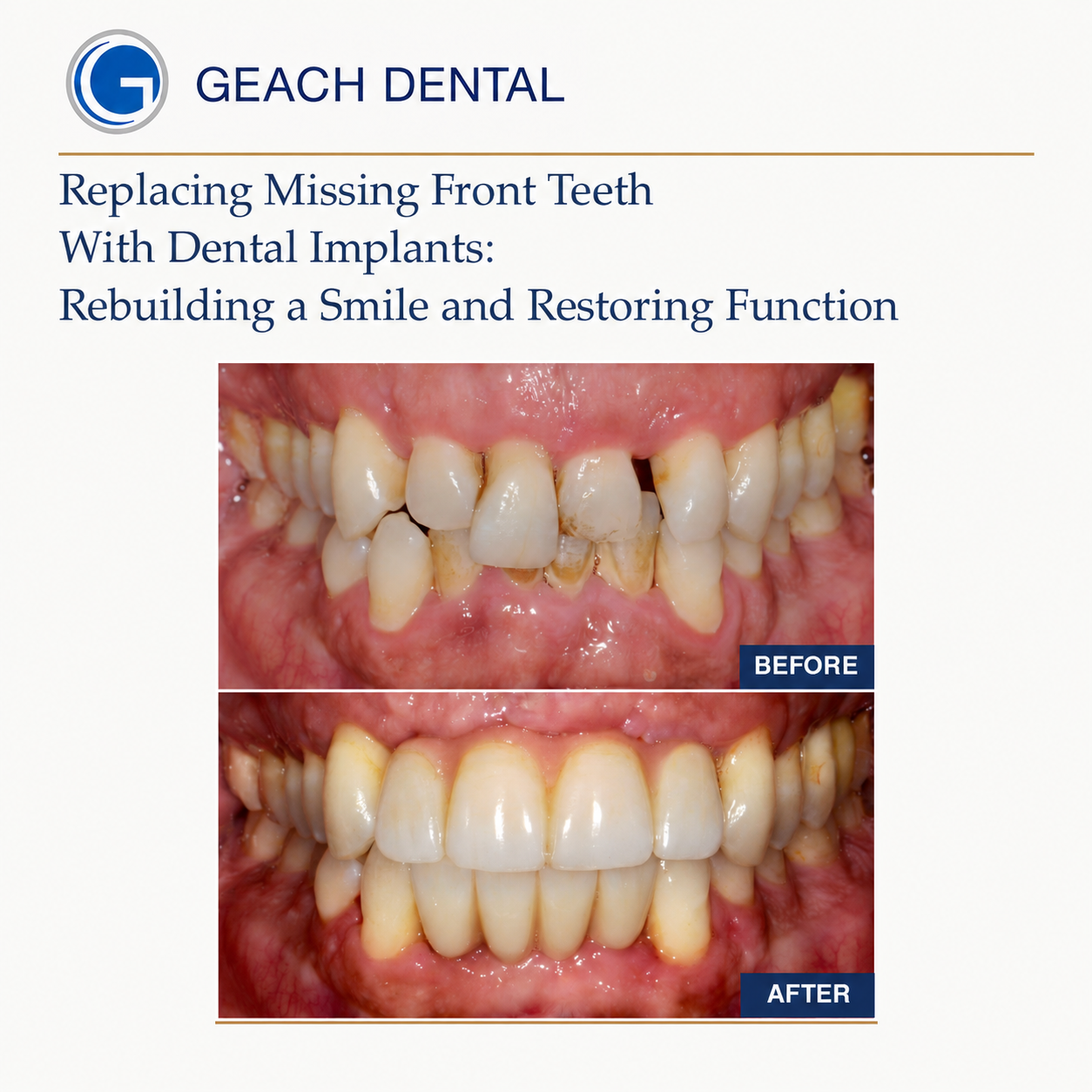
Replacing missing front teeth with dental implants

How Dental Implants Can Replace Failing Teeth and Create a Natural-Looking, Functional Smile Losing your front teeth—or being told they can no longer be saved—can be overwhelming. Front teeth aren’t only important for your smile. They help you bite into foods, speak clearly, and feel comfortable smiling and interacting with other people. For patients with advanced gum disease, teeth can gradually lose their supporting bone, become loose, and move out of their natural positions. Eventually, saving those teeth may no longer be predictable. That was the situation for this patient. He came to Geach Dental in Los Angeles extremely self-conscious about his front teeth. He had become so uncomfortable with their appearance that he avoided smiling. But his problem wasn’t only cosmetic. A comprehensive evaluation revealed severe periodontal bone loss affecting both the upper and lower four front teeth. Over time, the upper teeth had shifted dramatically, changing his smile and compromising their position. The goal was bigger than replacing missing teeth. We wanted to rebuild his smile and restore his ability to function comfortably again. Why Couldn’t the Front Teeth Be Saved? The foundation of a healthy tooth is the bone and gum tissue surrounding it. When periodontal disease becomes advanced, that supporting bone can be lost. Teeth may become mobile, migrate into different positions, and eventually reach a point where keeping them is no longer predictable. This patient also reported a long history of cigarette smoking, an important factor considered as part of his periodontal evaluation. Before beginning the prosthodontic treatment, we referred him to a periodontist for a complete periodontal evaluation. His treatment plan included periodontal therapy and oral-hygiene instruction, management of his smoking, removal of the eight severely compromised front teeth, placement of dental implants, and fabrication of implant-supported bridges to replace the missing teeth. Dental Implants Are Only Part of the Solution When replacing front teeth, successfully placing dental implants is extremely important—but it’s only part of the treatment. We also have to determine: Where should the new teeth go? This patient had lived with teeth that had shifted significantly because of periodontal bone loss. Simply reproducing their existing positions would reproduce many of the same esthetic problems. Instead, we began by designing the final smile first. Before treatment, we created a digital blueprint showing the planned position, shape, size, and proportions of the future teeth. That blueprint helped guide both implant placement and the design of the final implant bridges. Designing the Smile Before Placing the Final Teeth Our goals were to create teeth that would: This planning is especially important when dental implants are being used in the front of the mouth. Unlike natural teeth, implants cannot simply be moved after they have integrated into the bone. The final restoration therefore needs to be considered from the beginning of treatment. Temporary Implant Teeth Let Us Test the New Smile After the compromised teeth were removed and the implants placed, temporary implant-supported bridges were created from our digital design. These temporary teeth served an important purpose. They allowed us to evaluate the new smile before making the final implant bridges. We could adjust the: Most importantly, the patient could participate. He could see his new smile, live with it, and give us feedback about the appearance before we fabricated the final restorations. The temporary bridges also allowed the surrounding soft tissue to be shaped and refined during healing. Creating Natural-Looking Implant Teeth One of the greatest challenges in implant dentistry is making replacement teeth look natural—particularly in the front of the mouth. Color is only one part of the equation. Natural-looking teeth depend on subtle differences in shape, proportion, translucency, surface texture, and contours. At Geach Dental, we have the advantage of working closely with our in-office laboratory technician. For complex implant cases, the technician can meet directly with the patient and work with Dr. Geach to refine shade, shape, contours, and other details before the final restorations are completed. The objective is simple: People should see your smile—not your dental implants. The Final Result: A New Smile and Restored Function The before-and-after photographs tell an important story. In the original photographs, the severe movement of the front teeth is immediately noticeable. In the final photographs, the upper and lower implant bridges restore a much more harmonious tooth position and smile. But this treatment wasn’t performed for appearance alone. The final implant-supported bridges also restored the patient’s front teeth so that they could once again contribute to normal function. The definitive restorations were fabricated from zirconia, a tooth-colored ceramic material selected for its combination of esthetics, smooth surface, and durability. The result is a dramatic change from where this patient began: fixed replacement teeth designed to restore both his smile and his ability to function. Can Dental Implants Replace Several Missing Front Teeth? Yes. Dental implants don’t necessarily require one implant for every missing tooth. In appropriate situations, strategically positioned implants can support a fixed dental bridge that replaces several missing teeth. This can be particularly useful for patients who are facing the loss of multiple teeth because of: The appropriate number and position of implants depends on each patient’s bone, gum tissue, bite, remaining teeth, health history, and restorative goals. That’s why careful planning before implant placement is so important. Why Choose a Prosthodontist for Complex Dental Implant Treatment? Replacing several missing front teeth requires more than placing implants. The final teeth need to look natural, fit the patient’s face, function with the bite, and integrate with the remaining natural teeth. A prosthodontist receives advanced specialty training in replacing and reconstructing teeth, including complex dental implant treatment. At Geach Dental, our approach combines prosthodontic planning, digital smile design, implant dentistry, provisional restorations, and close collaboration with our in-office dental laboratory. For complex cases, we also coordinate treatment with periodontal and other dental specialists when appropriate. The objective isn’t simply to replace missing teeth. It’s to reconstruct the smile as a whole. Considering Dental Implants in Los Angeles? If you have missing teeth—or

Read Up

When Old Veneers Make Your Smile Look Older

A Prosthodontic Approach to Replacing Aging Cosmetic Dentistry with Natural-Looking Restorations If you had veneers or crowns placed 10, 15, or even 20 years ago, you may have loved your smile when they were first completed. But smiles change—and so does cosmetic dentistry. Older veneers can look bulky, square, opaque, worn, or simply outdated compared with today’s more natural-looking ceramic restorations. Sometimes patients don’t want an entirely new smile. They just want their smile to look natural again. That was the goal for this patient. The Problem: Old Veneers That No Longer Looked Natural This patient was referred to Geach Dental because she was unhappy with the appearance of her four upper front teeth. Her existing veneers had several characteristics that made them stand out from her surrounding natural teeth. The front teeth appeared very square, all four restorations slanted slightly to one side, and the porcelain was relatively opaque rather than having the subtle translucency of natural enamel. See picture below.  The veneers weren’t simply “old.” They looked like dental work. Our goal was to change that. We wanted to replace the aging restorations with teeth that blended naturally into her smile—without creating an artificial or overly perfect appearance. Good Cosmetic Dentistry Shouldn’t Look Like Dental Work One of the misconceptions about cosmetic dentistry is that improving a smile simply means making teeth whiter. For us, natural-looking cosmetic dentistry is much more about the details. The shape, proportions, contours, translucency, alignment, and color of the teeth all need to work together. For this patient, our goals were to: Ultimately, people should notice your smile—not your dental work. Designing the New Smile Before Making the Final Teeth Before fabricating the final restorations, we created a digital diagnostic design for the four front teeth. This allowed us to establish the new tooth shapes and proportions before completing the final crowns. After removing the existing veneers, the teeth were conservatively prepared and custom temporary crowns were made from our new digital design. This is an important part of our approach to complex cosmetic dentistry. Rather than simply removing the old restorations and hoping the patient likes the final result, the temporary crowns allow us to test-drive the new smile first. The Patient Gets a Say in the Final Smile With the temporary restorations in place, the patient can see the proposed changes directly in her own mouth. We can evaluate: Most importantly, the patient can give us feedback. If we want a tooth slightly shorter, longer, softer, or more rounded, those changes can be made before the final restorations are fabricated. Once the temporary restorations look and feel right, they become the blueprint for the final teeth. That patient feedback and refinement process was an important part of this case. Why Replacing Only Four Front Teeth Can Be So Challenging You might assume that replacing four veneers is easier than restoring an entire smile. Esthetically, the opposite can sometimes be true. When we replace only a few front teeth, the new restorations must blend with the patient’s remaining natural teeth. The shade can’t simply be “white.” Natural teeth have subtle variations in color, translucency, texture, and brightness. Reproducing those characteristics is what helps a ceramic restoration look like a tooth rather than a crown. The goal is not to make four beautiful crowns. The goal is to make it difficult to tell which four teeth are crowns. The Advantage of Our In-Office Dental Laboratory At Geach Dental, we work closely with our in-office laboratory technician when creating highly esthetic restorations. This allows us to carefully control details such as: In this case, the final restorations were designed, milled, characterized, and finished in close collaboration with our technician, using the refined temporary crowns as the guide for the final result. For front teeth, these small details can make an enormous difference. The Result: A More Natural-Looking Smile The objective wasn’t to give this patient a completely different smile. It was to make her existing smile look more natural, balanced, and current. The new front teeth have softer contours, improved alignment, and a more natural relationship with the surrounding teeth. The final crowns were made from zirconia, selected to provide a combination of esthetics and durability. The improvement is noticeable. But ideally, the dentistry isn’t. That’s exactly what we want. Before After Is It Time to Replace Your Old Veneers or Crowns? Many patients assume they should only replace veneers or crowns when something breaks. That’s not necessarily the case. You may want to consider replacing older cosmetic dental work if your restorations have become: You may also simply feel that your dental work makes your smile look older than you feel. In some cases, replacing just a few aging restorations can refresh the appearance of the entire smile. Why See a Prosthodontist for Replacing Old Dental Work? Replacing existing cosmetic dentistry presents different challenges than starting with untouched teeth. The dentist needs to evaluate the existing restorations, the teeth underneath them, the bite, the surrounding natural teeth, and the patient’s overall smile before determining what should—and just as importantly, what should not—be changed. A prosthodontist receives advanced specialty training in restorative, cosmetic, implant, and reconstructive dentistry. At Geach Dental, we routinely treat patients with existing veneers, crowns, dental implants, and complex restorative dentistry. Our approach isn’t simply about making teeth look prettier. We want the final restorations to look natural, function properly, and integrate with the rest of the patient’s smile. Ready to Update Your Smile? If you had cosmetic dentistry completed years ago and your veneers, crowns, or implant restorations no longer look the way you want, you may not need to start over. Sometimes the right approach is simply to replace aging dental work with modern, natural-looking restorations. Dr. Adam Geach, DMD, MDSc, is a prosthodontist providing advanced cosmetic, restorative, and implant dentistry at Geach Dental, serving patients in Downtown Los Angeles and Orange County. If you’re unhappy with old veneers, crowns, or other cosmetic dental work, schedule a consultation

Read Up

Follow Our Newsletter To Stay Tuned

Sign up to receive exclusive guides & tips on health, fashion, travel, beauty and more!

Follow Our Newsletter To Stay Tuned

Sign up to receive exclusive guides & tips on health, fashion, travel, beauty and more!